Why Struggle Is a Good Sign in Karate Training
One of the most important lessons students learn in martial arts has nothing to do with belts, kicks, or punches.
It’s learning how to struggle without quitting.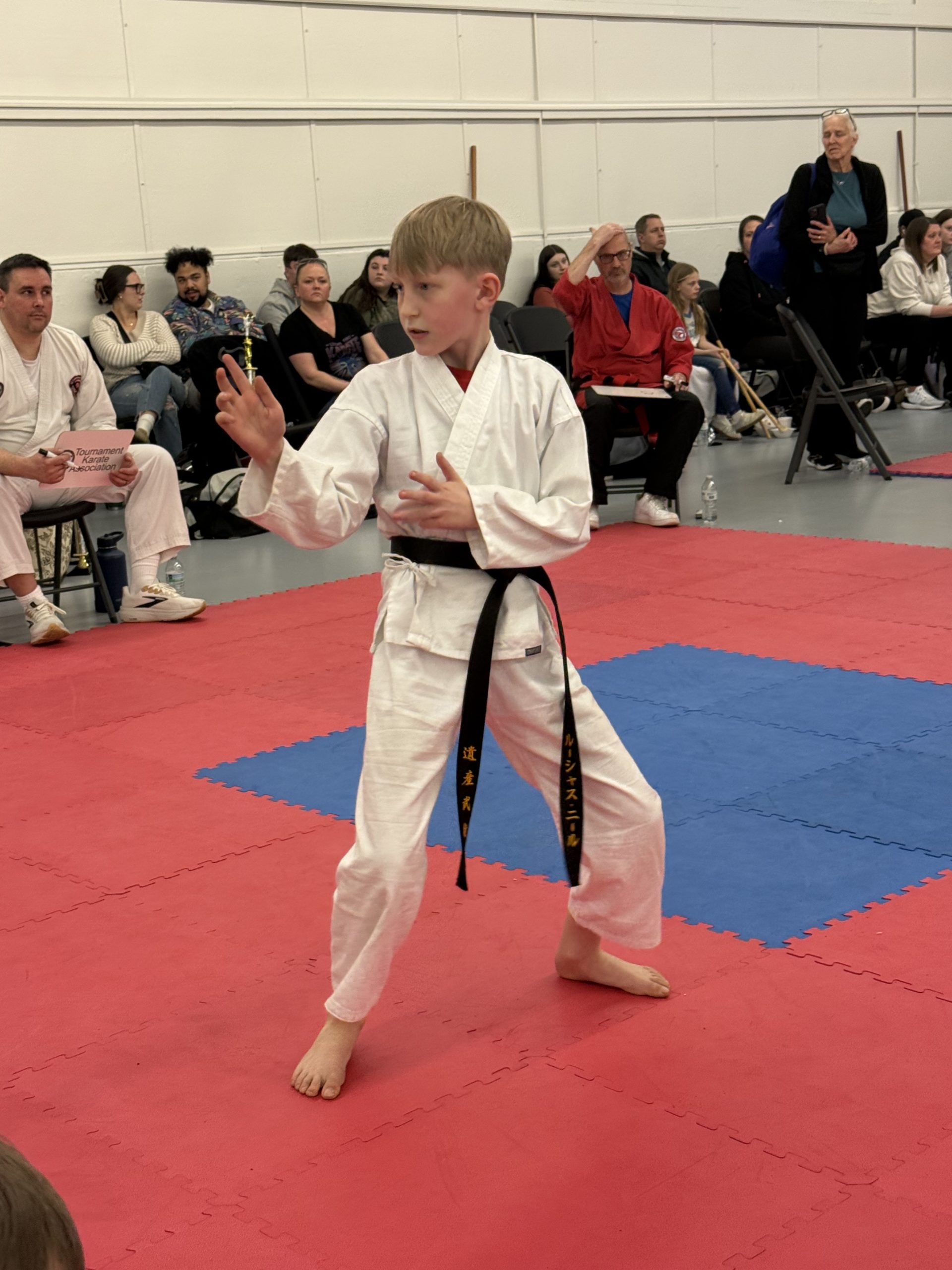
Whether a child is learning a brand-new technique, trying to improve coordination, or working toward their next belt, there will be moments when training feels difficult. In fact, nearly every successful martial arts student experiences frustration, setbacks, and challenges along the way.
And that’s actually a good thing.
Many parents worry when their child says something is “hard” in karate class. But struggle is not a sign that a child is failing. More often, it’s a sign that growth is happening.
Here’s why struggle is an important and healthy part of karate training for kids.
Growth Happens Outside the Comfort Zone
If something is always easy, children rarely develop resilience, confidence, or perseverance.
Karate challenges students physically and mentally. They may need to repeat a skill dozens of times before it finally clicks. They may feel awkward learning new movements. They may struggle with balance, coordination, or focus at first.
That process is completely normal.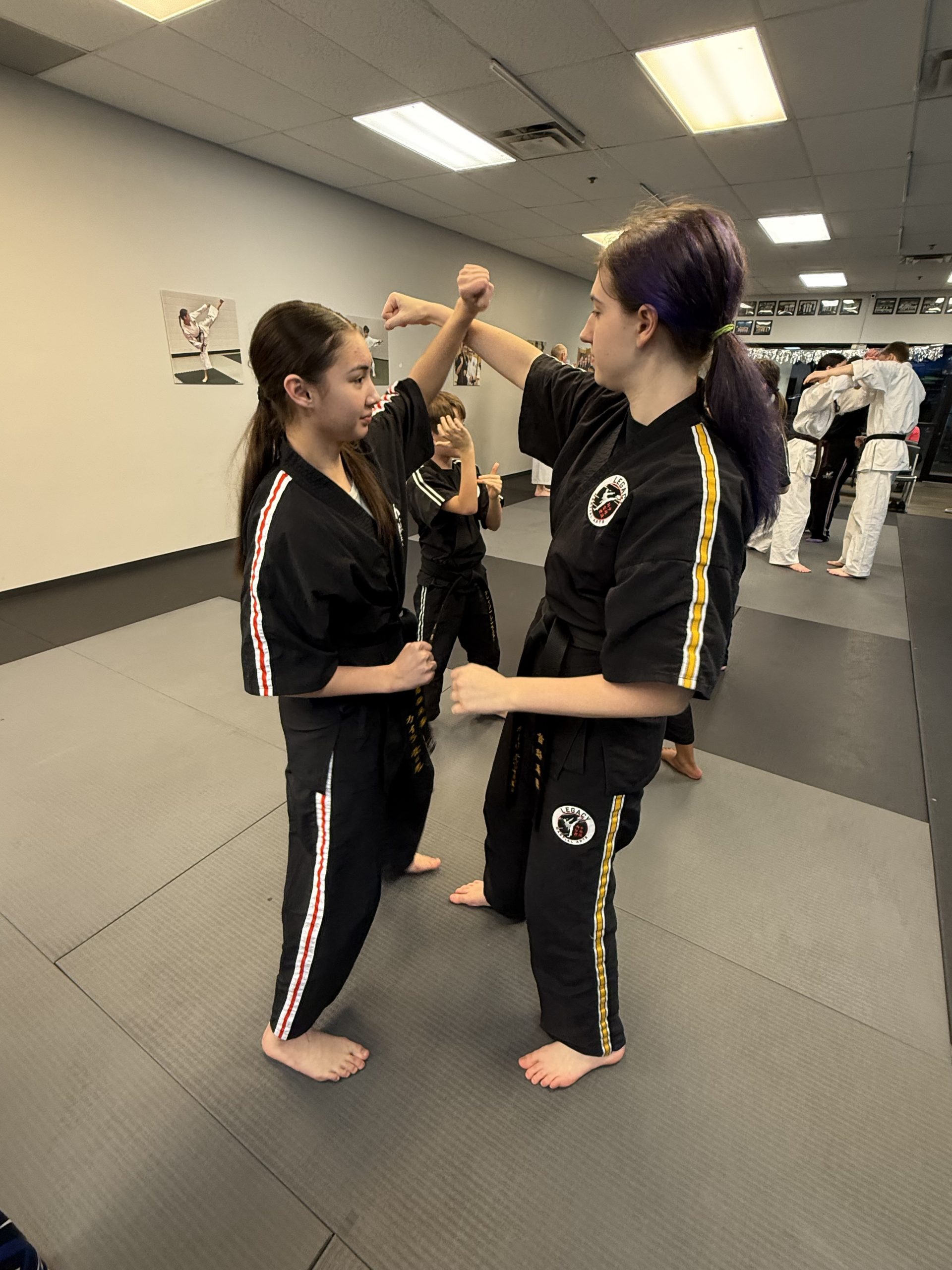
In kids martial arts classes, improvement often happens slowly and steadily over time. Students build skills through repetition, consistency, and effort, not instant perfection.
One of the biggest benefits of karate training is that it teaches children that struggling with something today does not mean they can’t succeed tomorrow.
That mindset becomes incredibly valuable both on and off the mat.
Karate Helps Kids Build Perseverance
Modern kids are often surrounded by instant gratification.
Many apps, games, and activities provide immediate rewards with very little patience required. But real confidence does not come from things being easy all the time. It comes from overcoming challenges.
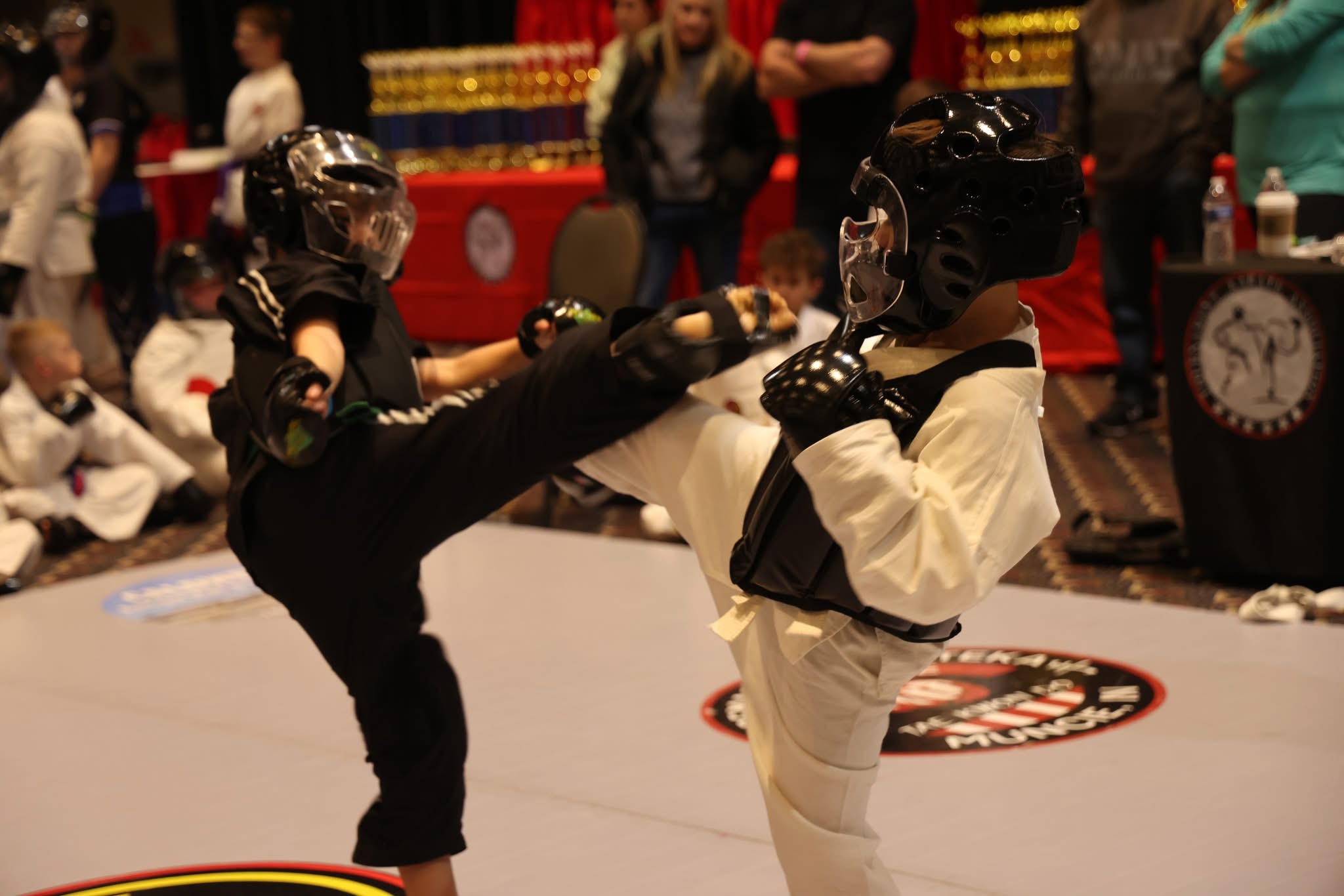
Martial arts gives children regular opportunities to practice perseverance in a safe and supportive environment.
Students learn how to:
- Keep trying after mistakes
- Stay focused during difficult tasks
- Accept correction from instructors
- Handle frustration in a healthy way
- Develop patience with themselves
- Work toward long-term goals

These are life skills that carry into school, sports, friendships, and future responsibilities.
For many parents, one of the biggest transformations they notice is not just physical skill improvement. It’s seeing their child become more determined, resilient, and confident when facing challenges.
Struggle Builds Real Confidence
There’s an important difference between praise-based confidence and earned confidence.
Children feel temporary confidence when they are constantly told they are amazing regardless of effort. But lasting confidence usually comes from doing something difficult and realizing they were capable of more than they thought.
Karate training creates those moments regularly.
A student struggles with a skill. They practice. They get frustrated. They improve little by little. Then one day, they finally succeed.
That experience teaches an incredibly powerful lesson:
“I can do hard things if I keep working.”
That kind of confidence tends to stick.
Every Black Belt Has Struggled Too
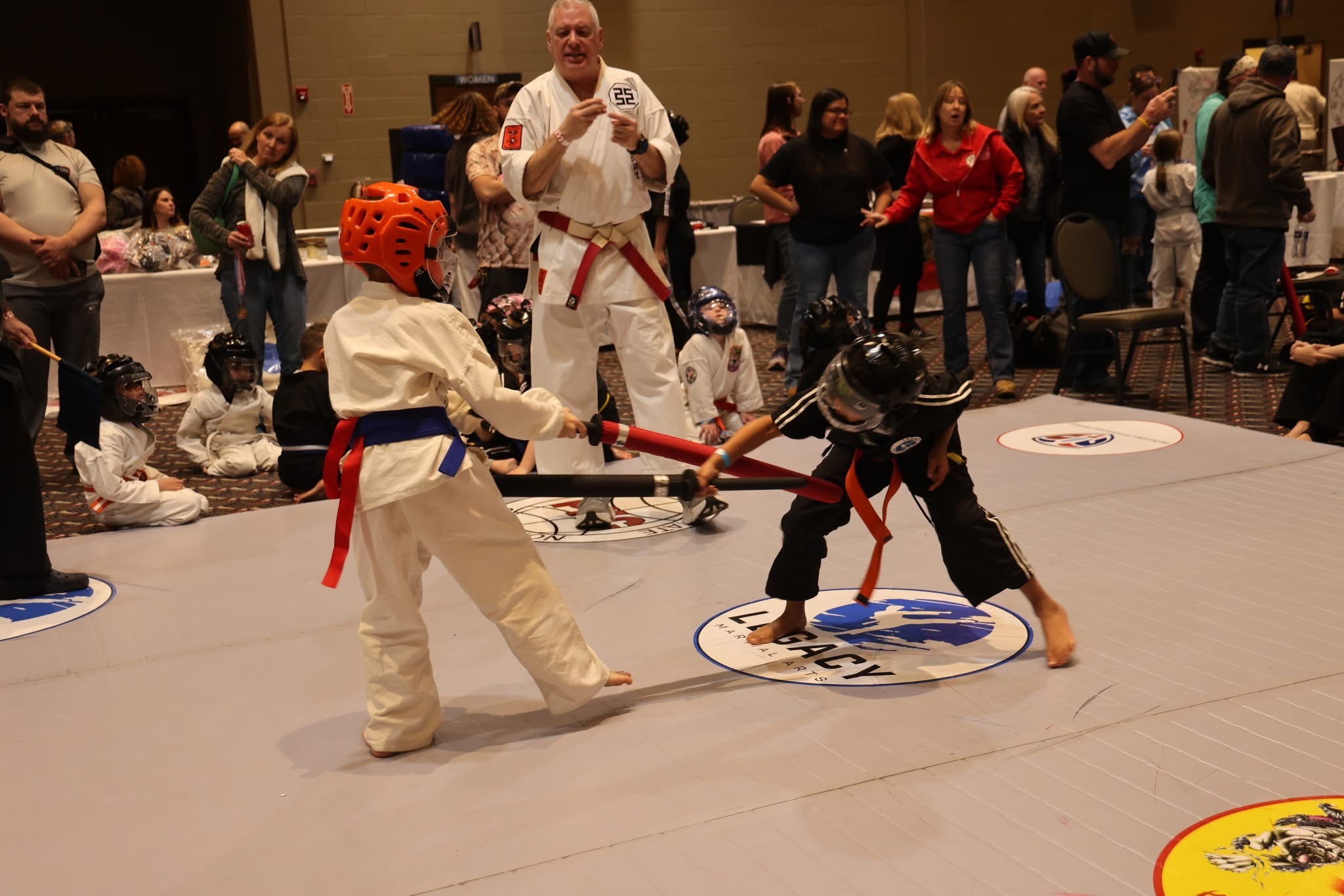
Parents sometimes see advanced martial arts students and assume they were naturally talented from the beginning. But the truth is, every black belt has struggled.
They’ve forgotten forms. Lost balance. Felt frustrated. Made mistakes during class. Wanted to quit at some point. Felt nervous before belt tests.
The difference is not that successful students never struggled.
The difference is that they kept showing up anyway.
One of the most valuable things martial arts teaches children is that progress is not always fast or easy. Sometimes growth looks like continuing even when something feels difficult.
Why Parents Shouldn’t Rush to Remove Challenges
It’s natural for parents to want to protect children from frustration. But constantly removing obstacles can accidentally prevent kids from developing resilience. Karate provides controlled challenges in a positive environment. Students are pushed enough to grow, but supported enough to succeed.
That balance matters.
When children learn how to work through difficult moments in martial arts classes, they often become better equipped to handle challenges in other parts of life too. They begin to understand that struggle is temporary, effort matters, and improvement comes through consistency.
Final Thoughts
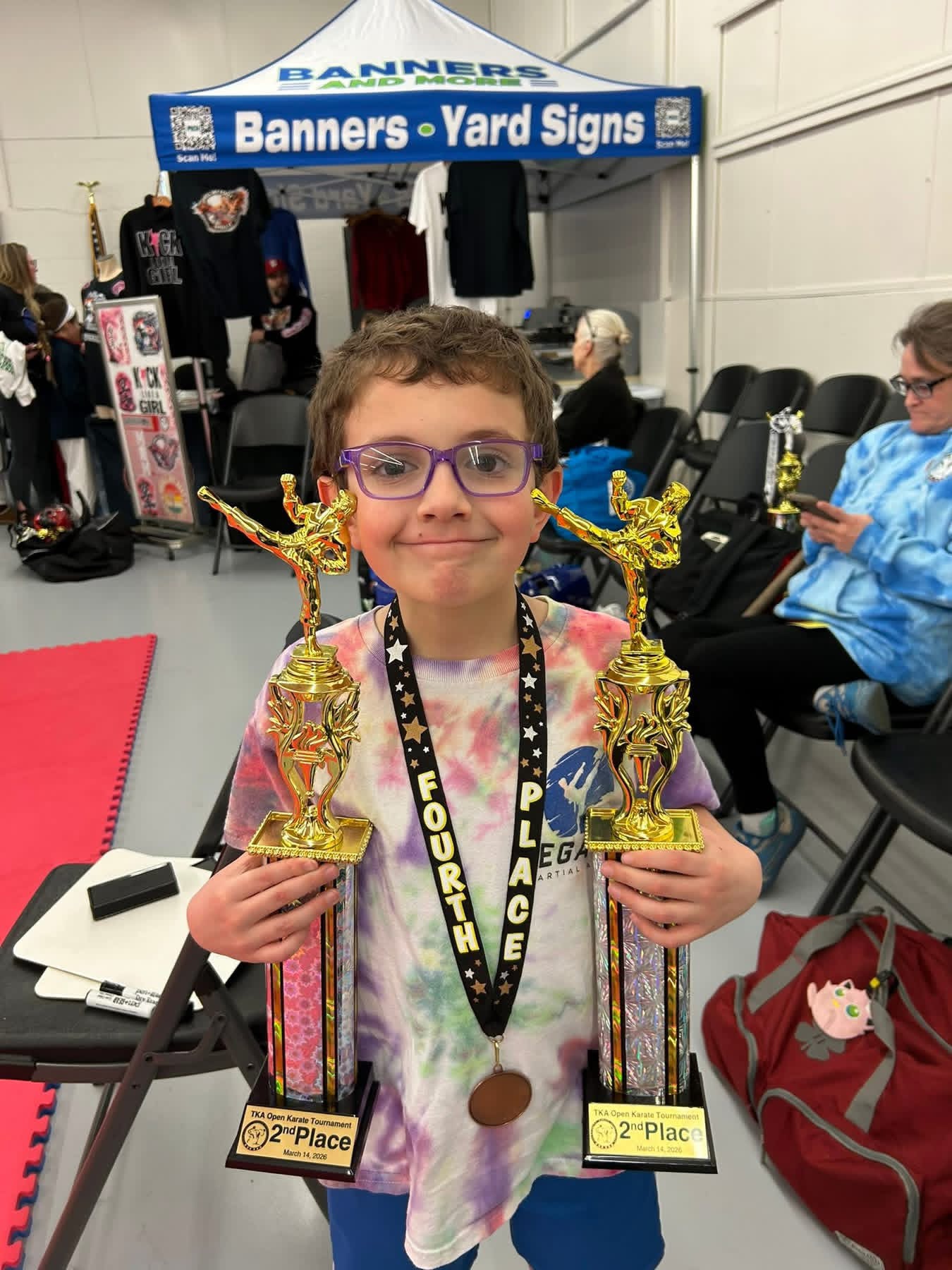
If your child struggles during karate training sometimes, that is not a bad sign. It’s evidence that they are learning, growing, and developing important life skills. Karate is not about being perfect immediately. It’s about learning discipline, perseverance, confidence, and resilience through the process of improvement. The students who benefit most from martial arts are not always the ones who learn the fastest. Often, they are the ones who learn how to keep going when things get hard.
Ron Kuhn