Why Your Child Quits Activities (And How to Fix It)
Your child couldn’t wait to start.They begged for karate lessons, soccer practice, dance class, piano lessons, or gymnastics. They were excited. They talked about it nonstop. Then a few weeks or months later, something changed.
Suddenly they don’t want to go. They’re tired. They’re bored. They complain before practice. They insist they want to quit. If you’ve experienced this as a parent, you’re not alone.
One of the most common challenges parents face is helping their children stay committed when the excitement wears off. Understanding why kids quit activities can help parents guide them through those difficult moments and teach lessons that last far beyond childhood.
Why Do Kids Quit Activities?
Most children don’t quit because they genuinely dislike the activity. More often, they want to quit because they encounter something uncomfortable.
It Stopped Being Easy
When children first start an activity, everything feels new and exciting. Eventually, they reach a point where improvement requires effort. Maybe they don’t earn the award they wanted. Maybe they struggle with a new skill. Maybe another child seems to be progressing faster. For many kids, this is the moment they begin to question whether they want to continue. The truth is that difficulty is often a sign that growth is happening.
They Compare Themselves to Others
Children naturally compare themselves to their peers. They notice who learns faster, who gets recognized first, and who appears more talented. When children focus on someone else’s journey, they often lose sight of their own progress.
They’re Afraid of Failure
No one enjoys making mistakes, especially children. Many kids believe they should be good at something right away. When that doesn’t happen, they begin to doubt themselves. Instead of viewing mistakes as part of the learning process, they see them as evidence that they aren’t capable. In reality, mistakes are often the greatest teachers.
The Excitement Wore Off
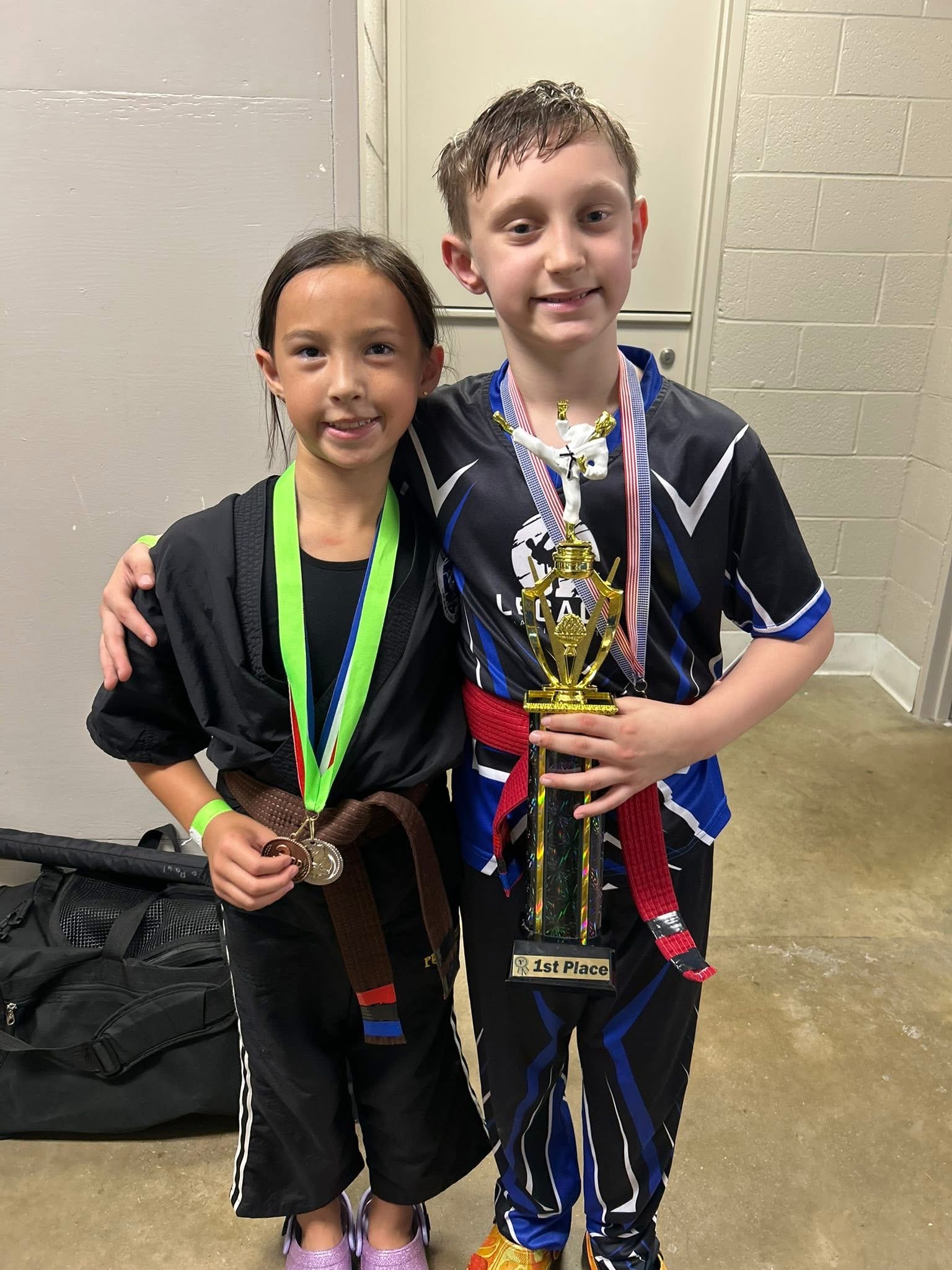
Every activity has a honeymoon phase. At first, everything feels fun and exciting. But eventually, routine sets in. This is where many children get stuck. They mistake a temporary lack of excitement for a reason to quit. Learning to stay committed even when something isn’t exciting is an important life skill.
The Parenting Trap Nobody Talks About
When a child wants to quit an activity, it’s often not just hard for them. It’s hard for parents too.
Listening to complaints on the way to practice isn’t fun. Arguing about getting ready can be exhausting. Watching your child struggle with frustration, disappointment, or self-doubt can be heartbreaking.
In those moments, letting them quit can feel like the easiest solution.
The complaints stop. The conflict disappears. Everyone gets a little relief. But here’s the challenge: growth rarely happens when things are easy.
As parents, one of our most important jobs is helping our children do things they wouldn’t choose on their own. We make them brush their teeth. We make them do homework. We make them eat vegetables.
Not because they enjoy it in the moment, but because we understand the long-term benefits.
Commitment works the same way.
Children often lack the life experience to recognize that the very thing they want to quit may be the thing teaching them resilience, confidence, discipline, and perseverance.
Sometimes the hardest part isn’t convincing a child to keep going.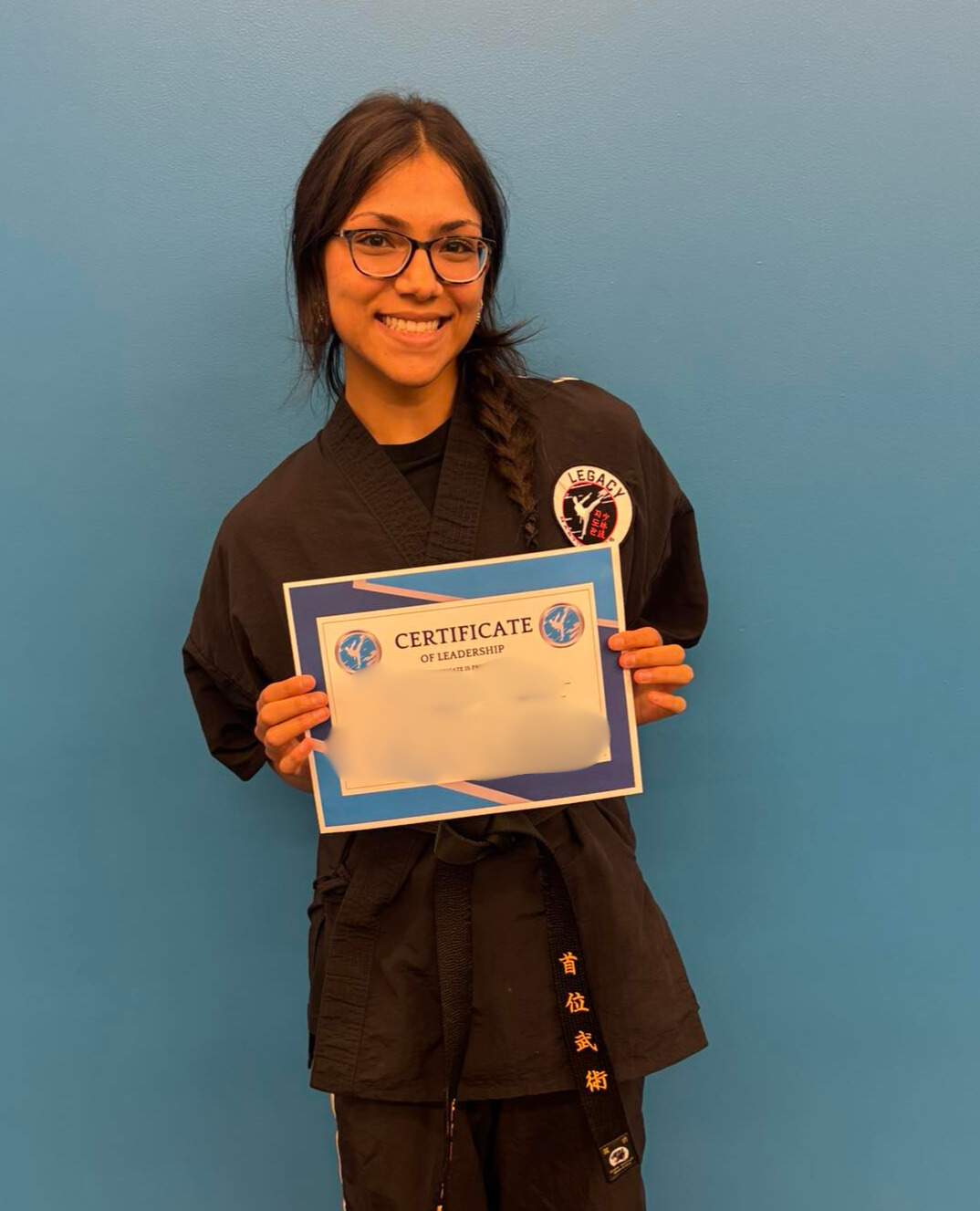
It’s having the patience and consistency to help them work through a challenge instead of removing it.
What Kids Learn When They Quit
Every child will face moments when they want to give up.
The important question isn’t whether those moments will happen. It’s what children learn when they do. When children are allowed to walk away every time something becomes difficult, frustrating, or uncomfortable, they may begin to believe:
- Hard things aren’t worth the effort.
- Frustration is a sign to stop.
- Success should happen quickly.
- Confidence comes before action.
- Commitments can be abandoned when they become challenging.
Of course, parents don’t teach these lessons intentionally. Most parents simply want to protect their children from disappointment. But confidence isn’t built by avoiding challenges. Confidence is built by facing challenges and discovering that you can overcome them. The child who learns to push through frustration gains something far more valuable than a trophy, a belt, or a certificate.They learn resilience. They learn patience. They learn that difficult moments don’t last forever. Most importantly, they learn that they are capable of more than they thought.
How to Help Your Child Stick With It
Focus on Effort Instead of Results
Children need to hear that effort matters. Instead of only celebrating wins, celebrate persistence. Praise the practice they put in. Praise their attitude. Praise the fact that they showed up even when they didn’t feel like it. When children learn to value effort, they’re more likely to continue when challenges arise.
Normalize Frustration
Many children believe they’re the only ones struggling. Help them understand that frustration is a normal part of learning any new skill. Every athlete, musician, martial artist, and successful adult has experienced moments when they felt discouraged. The difference is that they didn’t stop.
Partner With Instructors and Coaches
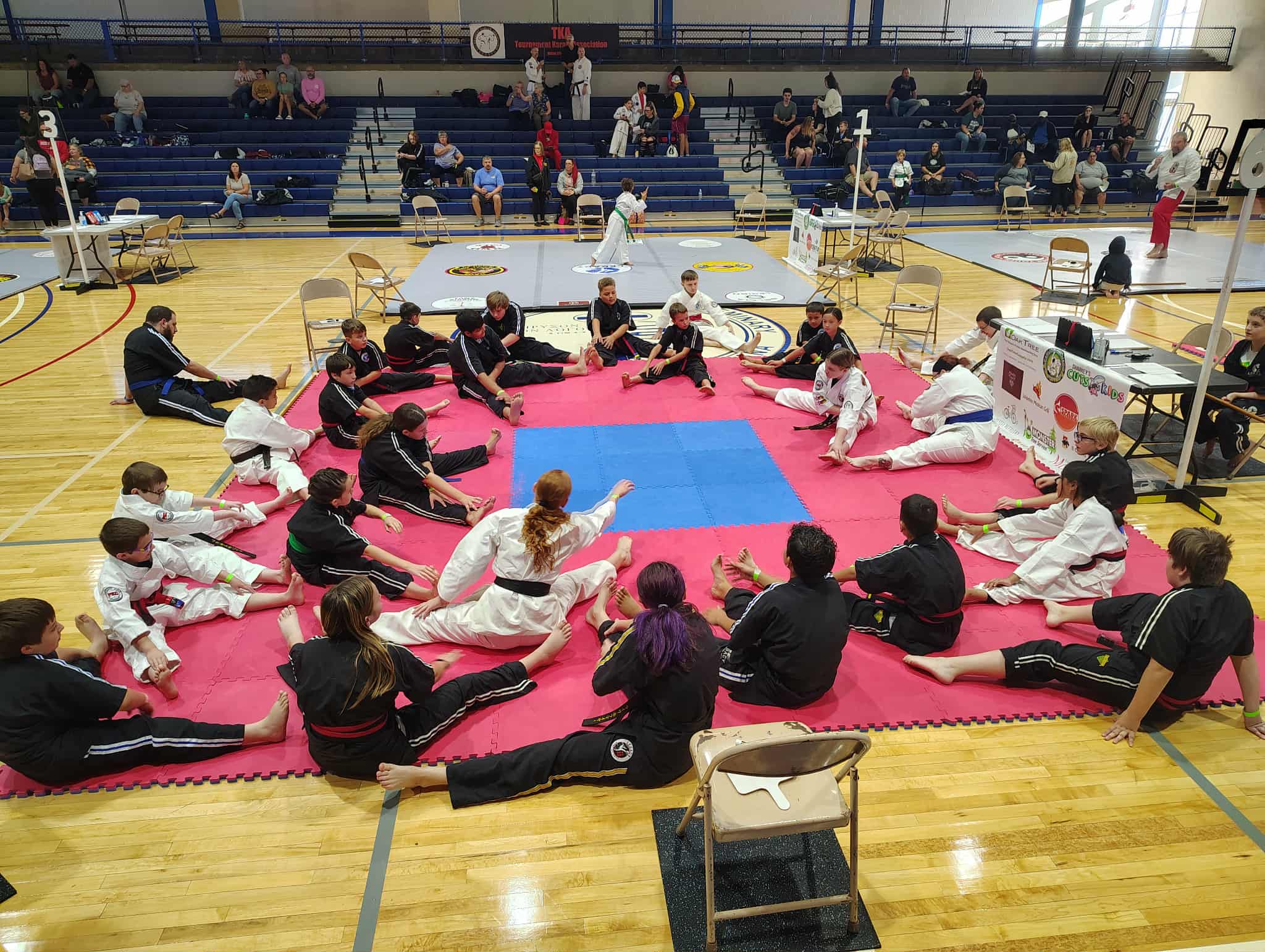
When a child says they want to quit, don’t immediately assume the activity is the problem. Talk with their instructor, coach, or teacher. Often there is a challenge that can be addressed, whether it’s confidence, fear, motivation, or a specific skill they’re struggling to learn. Working together helps children learn how to solve problems instead of avoiding them.
Remind Them Why They Started
Children often forget how excited they were when they began. Talk about their goals. Ask what they wanted to achieve. Help them reconnect with the reasons they started in the first place. Sometimes a child simply needs help remembering what they’re working toward.
Why Martial Arts Is Different
At Legacy Martial Arts, we believe one of the most important lessons a child can learn is how to keep going when things get hard. Every student experiences challenges. They forget techniques. They struggle with new skills. They face moments of frustration and self-doubt. But they also learn something powerful. They learn that difficult doesn’t mean impossible.
Each belt earned represents more than physical skill. It represents commitment. It represents perseverance. It represents a child choosing to continue even when progress feels slow. That’s why martial arts is about much more than kicks and punches.
It’s about teaching children to finish what they start.
Because long after they outgrow a uniform or earn their next belt, they’ll still carry the lessons they learned from pushing through challenges and refusing to give up. And those lessons can change the course of their lives.
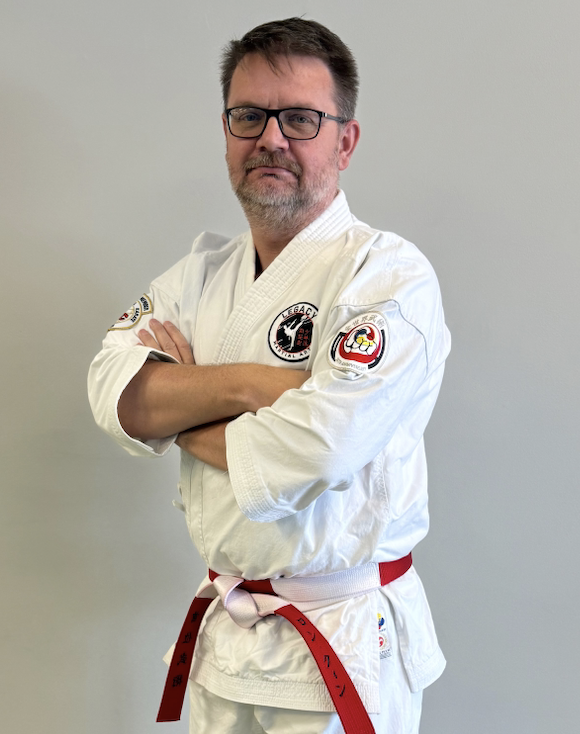
Ron Kuhn