How Can I Help My Child Handle Frustration Better?
Every parent has seen it. Something doesn’t go the way their child expected, and suddenly the frustration takes over.
Maybe they can’t figure out their homework, lose a game, struggle to learn something new, or hear an answer they don’t like. Frustration can quickly turn into tears, anger, arguing, shutting down, or wanting to give up altogether.
Learning how to handle frustration is an important part of growing up. Kids aren’t born knowing how to manage big emotions. They have to learn how to recognize what they’re feeling, regain control, and decide what to do next.
At Legacy Martial Arts, we get to see kids practice this skill all the time.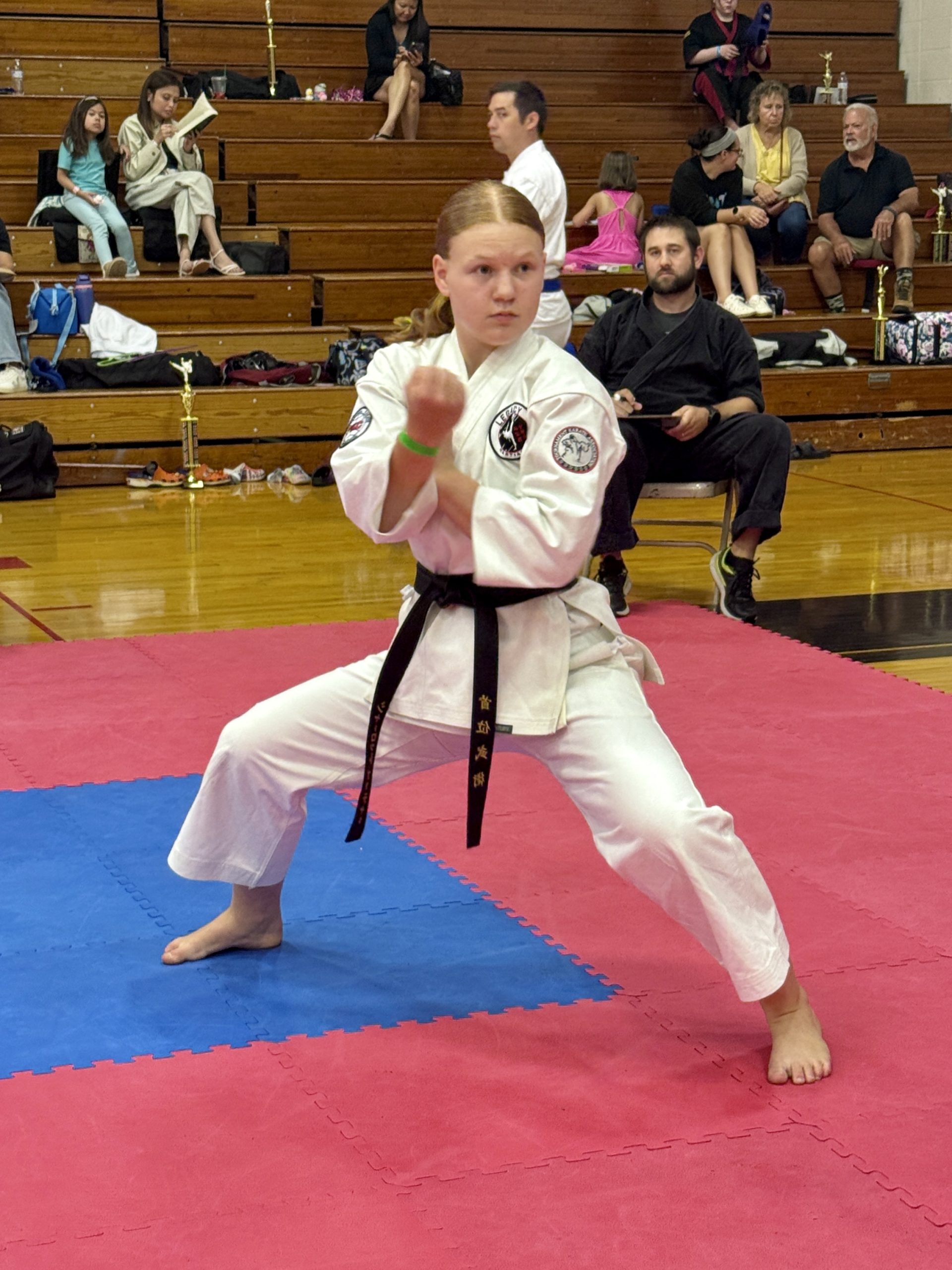
Just the other day, two students were doing Chanbara, or padded sword fighting, in class. One of our five-year-olds lost the match, and he was not happy about it. He didn’t want to shake hands with his partner, stomped his feet and pouted, and immediately started arguing that he wanted to go again.
In that moment, the lesson wasn’t about Chanbara anymore.
It was about learning how to lose, how to show respect even when you’re disappointed, and how to regain control when things don’t go your way.
These moments happen constantly in martial arts. A student struggles with a technique. Someone else gets picked first. They don’t win the game. They make a mistake. They don’t earn something as quickly as they hoped.
We can’t prevent kids from becoming frustrated, nor should we. Instead, we can help them develop the skills to work through it.
5 Practical Ways to Help Your Child Handle Frustration
1. Give Them a Chance to Struggle
When we see our children struggling, our first instinct is often to step in and fix the problem.
But working through small, age-appropriate challenges gives kids the opportunity to learn that frustration doesn’t mean they can’t do something. Sometimes they simply need more time, another attempt, or a different approach.
Instead of immediately solving the problem, encourage them to think about what they could try next.
2. Help Them Recognize Frustration
Children don’t always have the words to explain what they’re feeling. They may just know that they’re angry, upset, or ready to quit.
Helping your child recognize frustration can be an important first step toward managing it. You might say, “It looks like you’re getting frustrated because this isn’t working the way you wanted.”
Over time, children can learn to recognize those feelings earlier and respond before they become overwhelmed.
3. Give Them Tools to Regain Control
Telling a frustrated child to “calm down” doesn’t necessarily teach them how to do it.
Kids need practical strategies they can use when frustration starts building. Taking a few deep breaths, stepping away for a moment, asking for help, or breaking a difficult task into smaller pieces can all help.
The more children practice these strategies, the easier it becomes to use them when they really need them.
4. Praise How They Respond to the Challenge
It’s easy to celebrate when our kids succeed. But some of the most important moments to recognize happen before the success.
Maybe your child wanted to quit but tried one more time. Maybe they lost a game and still congratulated the winner. Maybe they became upset, took a minute to calm down, and came back ready to try again.
Recognizing those moments teaches kids that how they respond to a challenge matters just as much as the outcome.
5. Let Them Experience Safe Challenges
Kids need opportunities to practice handling frustration.
Sports, games, schoolwork, chores, puzzles, and learning new skills all provide situations where things won’t always go exactly as planned.
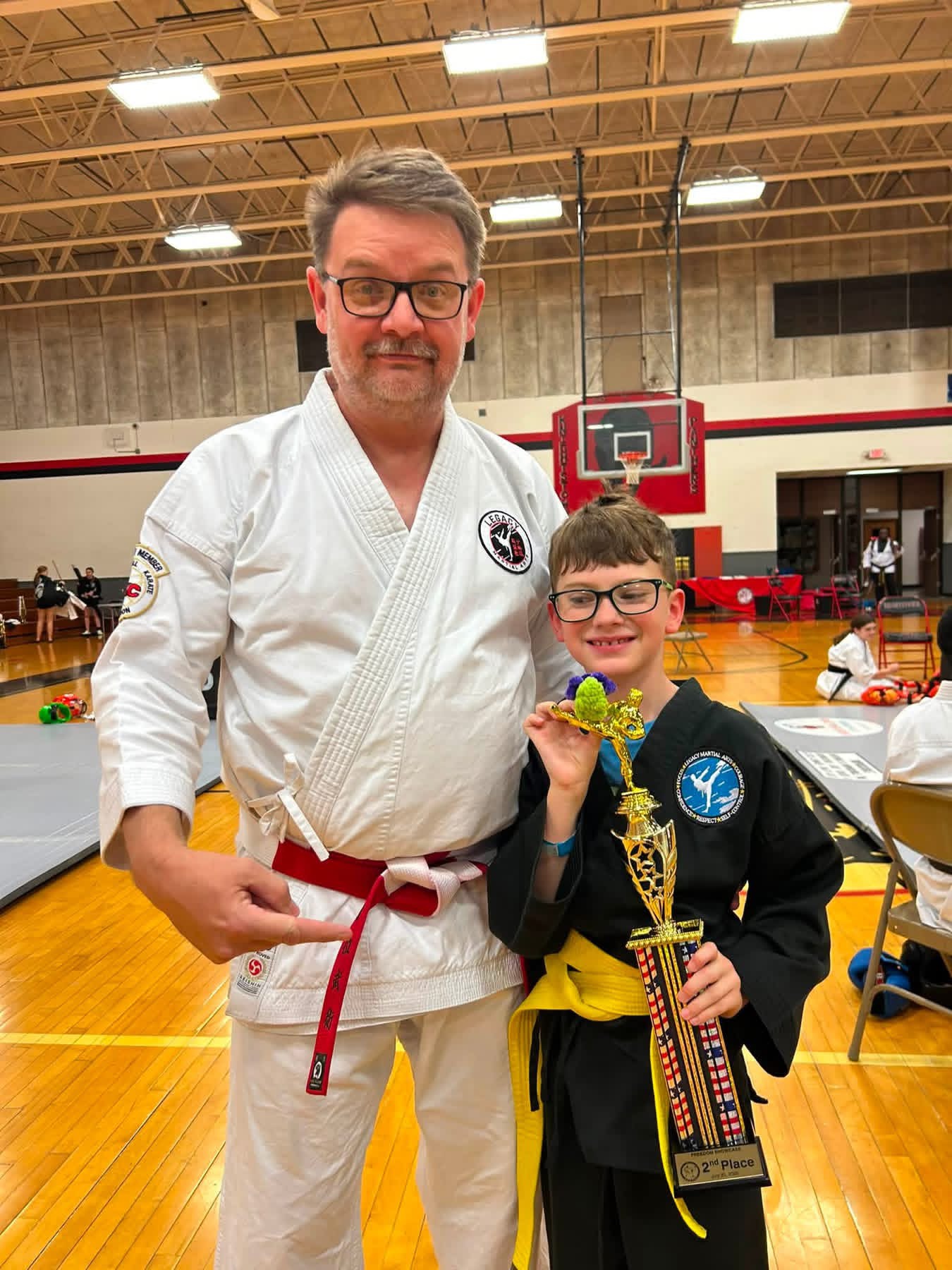
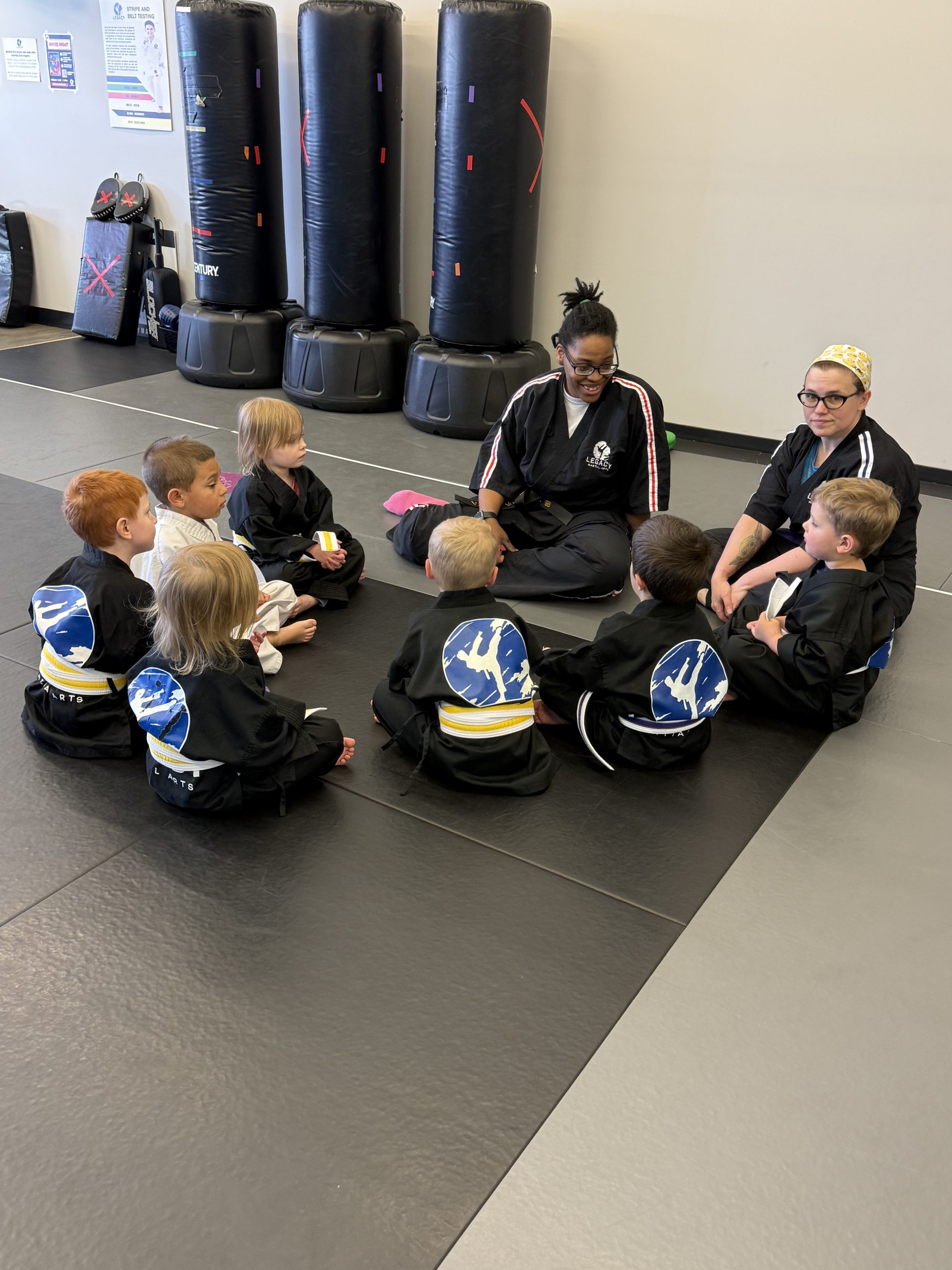
Martial arts provides these opportunities in a structured environment. Students are challenged to learn difficult techniques, work with different partners, compete in games, accept corrections, and continue practicing when something doesn’t come easily.
Over time, those small experiences can help children become more comfortable facing challenges instead of immediately becoming overwhelmed by them.
Learning to Work Through the Hard Moments
The goal isn’t to raise a child who never gets frustrated.
It’s to raise a child who knows what to do when they are frustrated.
At Legacy Martial Arts, we want our students to learn that struggling with something doesn’t mean they can’t do it. Sometimes they need to take a breath, adjust their approach, ask for help, or simply try again.
Those lessons extend far beyond the karate floor. They can help kids navigate difficult schoolwork, friendships, sports, responsibilities, and all of the other challenges that come with growing up.
Ron Kuhn