Why Learning How to Lose Is Good for Kids
No parent likes watching their child lose. Whether it’s a soccer game, a board game, a spelling bee, or a karate tournament, it can be hard to watch your child work toward something, hope for a certain outcome, and then walk away disappointed.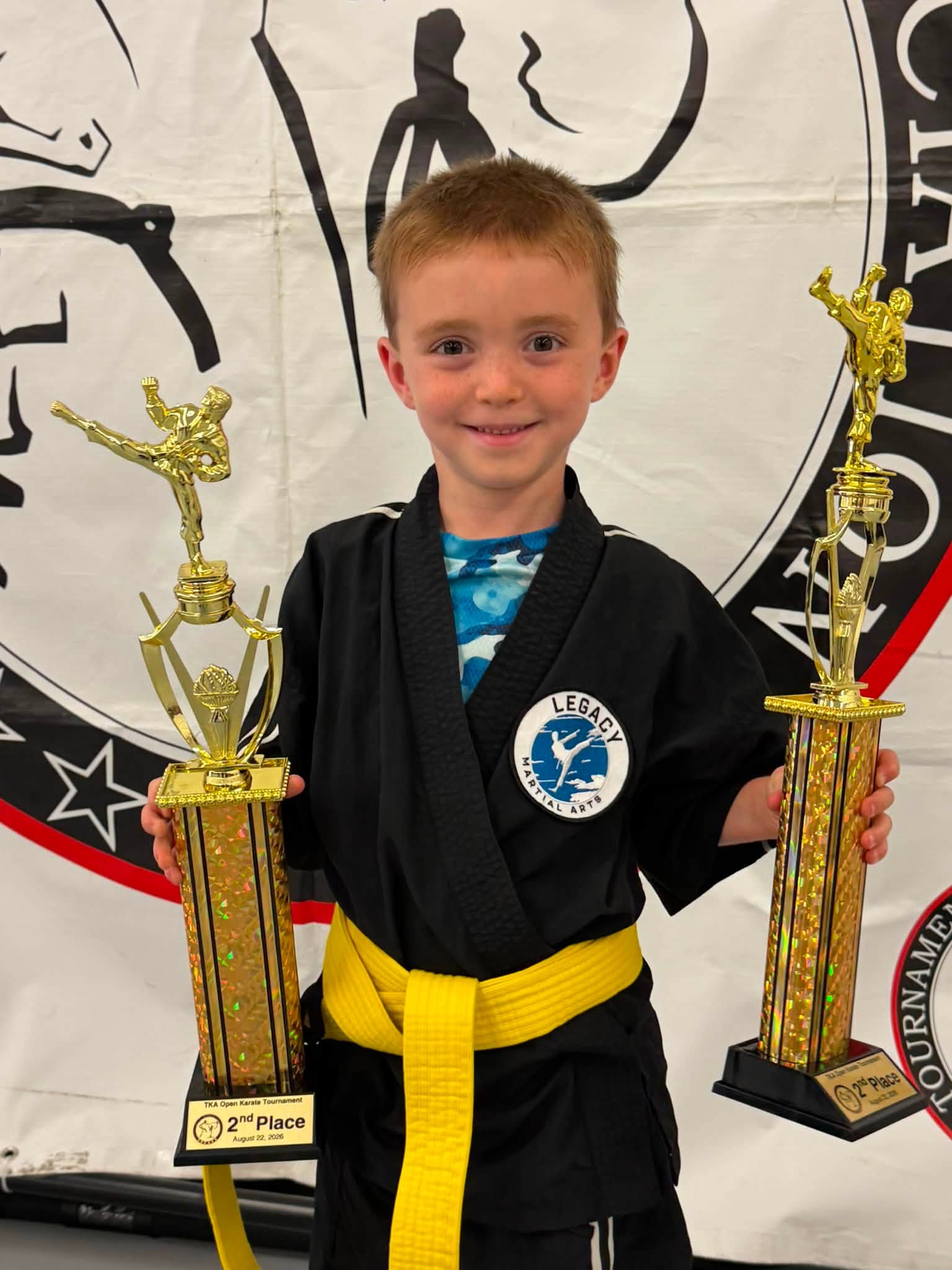
But losing isn’t necessarily a bad thing. In fact, learning how to handle disappointment, mistakes, and setbacks is an important part of growing up. Kids won’t always win, get the highest grade, make the team, or accomplish something on their first try. What matters is what they learn to do next.
At Legacy Martial Arts, we teach students that we either win or we learn.
Losing Gives Kids a Chance to Practice Resilience
Resilience isn’t something kids suddenly develop when they get older. Like any other skill, it takes practice. Imagine a student competing in their first karate tournament. They’ve practiced their form over and over. They’re nervous, but excited. Then competition day arrives, and they don’t place.
Of course they might be disappointed. They worked hard and wanted to win. But what happens after that disappointment is where the real lesson begins.
Can they congratulate the other competitors? Can they listen to feedback? Can they figure out what they want to improve? Can they come back to class and keep training?
Those experiences teach kids that disappointment is something they can handle.
It’s Okay for Kids to Be Disappointed
Teaching kids how to lose doesn’t mean telling them they shouldn’t care about winning. We want our students to set goals. We want them to work hard. And when they accomplish something they’ve worked toward, we absolutely want them to be proud of themselves.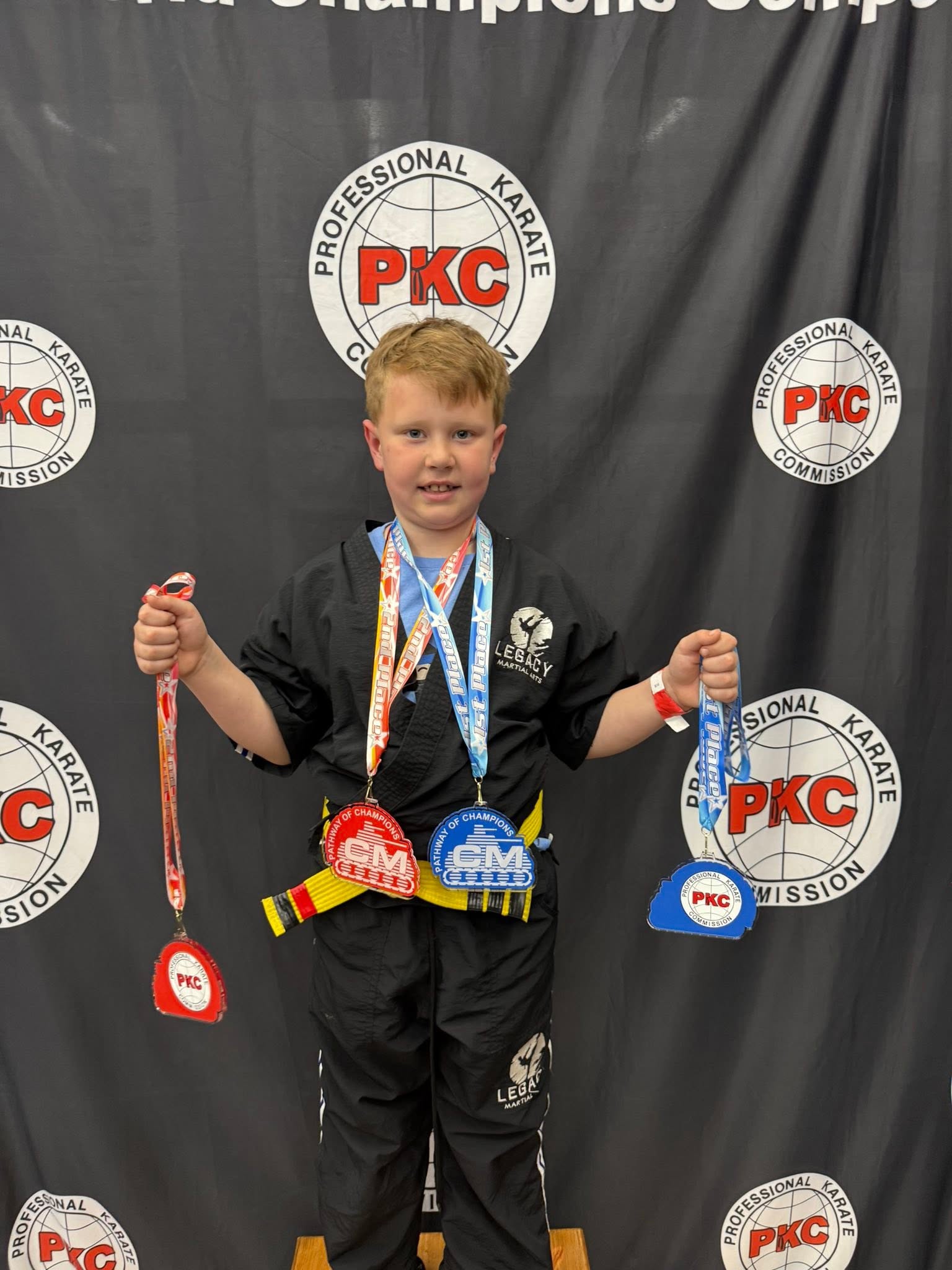
So when a child loses, we don’t immediately convince them that it doesn’t matter. It mattered to them. They’re allowed to be disappointed.
Instead, we can help them learn how to experience that disappointment without letting it determine what happens next. A loss can become an opportunity to ask:
What went well? What can I improve? What am I going to do differently next time?
That changes the conversation from “I failed” to “I’m still learning.”
Martial Arts Gives Kids a Safe Place to Struggle
One of the valuable things about martial arts for kids is that they regularly encounter things they can’t do yet. A new technique might feel awkward. They might forget part of their form. They may struggle to break a board. Another student may learn something faster than they do.
And sometimes, they may compete and lose. But then they get another opportunity.
They practice the technique again. They work on the form. They try the board again. They return to class. This helps kids learn an important lesson: struggling with something doesn’t mean you’re bad at it. It means you haven’t mastered it yet.
Winning Isn’t the Only Measure of Progress
Especially during tournament season, it’s easy for kids to focus on medals and trophies. Those things are exciting—and earning one is absolutely something to celebrate. But a trophy can’t tell the whole story.
Maybe a student was terrified to compete and stepped onto the mat anyway. Maybe they remembered their entire form under pressure for the first time. Maybe they lost to someone they competed against before, but the match was much closer this time. Maybe they made a mistake and recovered instead of giving up.
Those are wins, too. When we help kids notice that kind of progress, we’re teaching them to measure success by more than whether they finished first.
We Win, or We Learn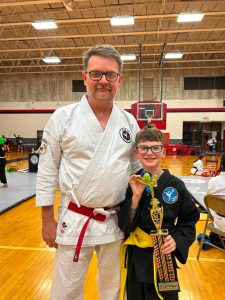
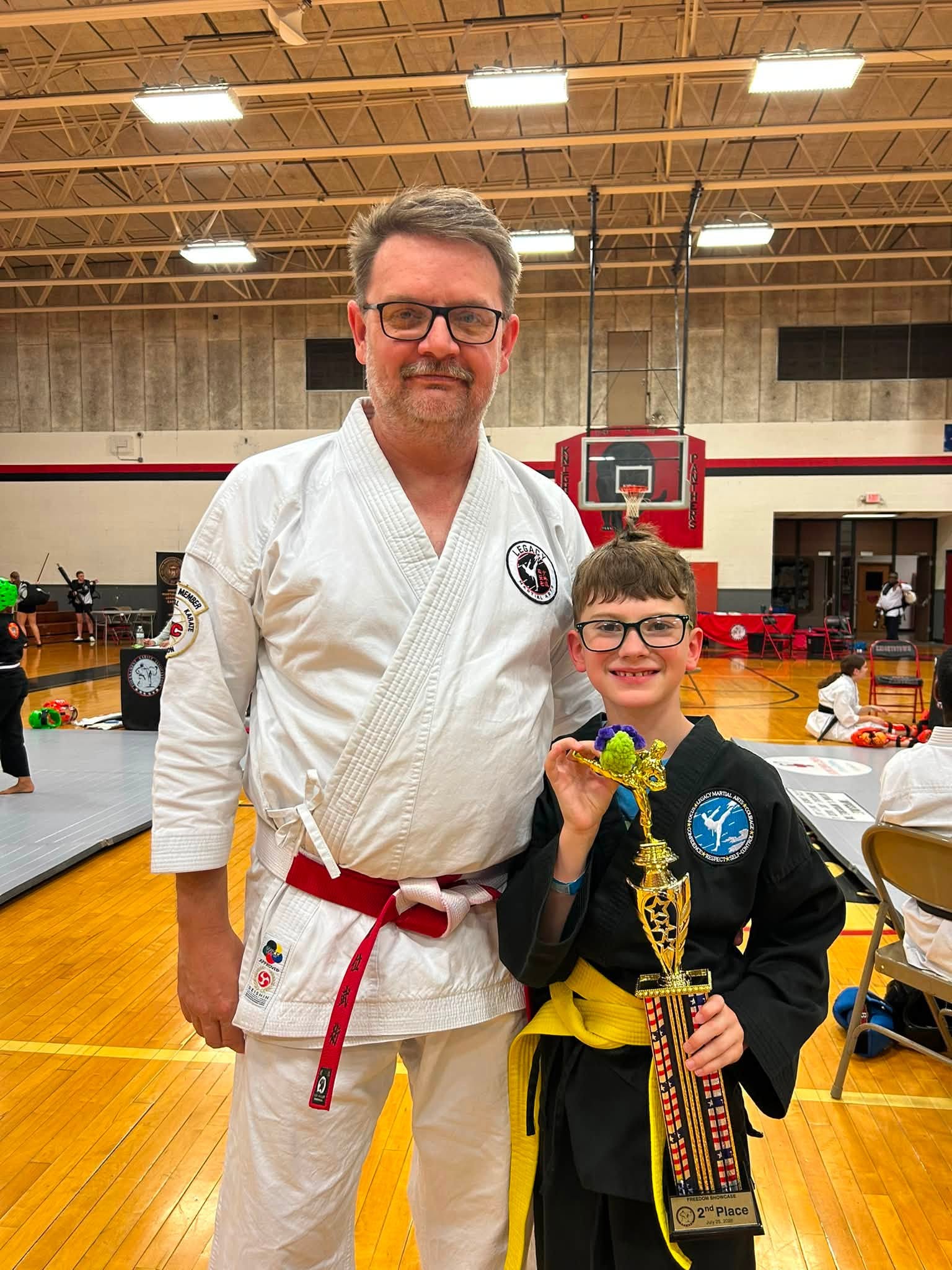
Of course we want kids to experience winning. Winning feels good. It can show them that their hard work paid off and motivate them to keep pushing toward bigger goals. But we also want them to discover that losing isn’t the end of the story.
Sometimes you win. Sometimes you learn what you need to work on. And sometimes the lessons kids learn when things don’t go their way are the ones that prepare them most for the challenges that will come later.
At Legacy Martial Arts, our goal isn’t to make sure students never lose. It’s to help them become the kind of kids who know what to do when they do.
Ron Kuhn