
Karate – Reduce Screen Time, Reduce Stress, and Have FUN!

Karate is far more than a physical activity; it is a structured discipline that nurtures both the mind and body. In an age where children are increasingly absorbed by screens, enrolling them in karate can provide a powerful alternative that promotes healthier habits. From reducing screen time to enhancing emotional control, improving cognitive function, and lowering stress, karate offers a well-rounded developmental experience for kids.
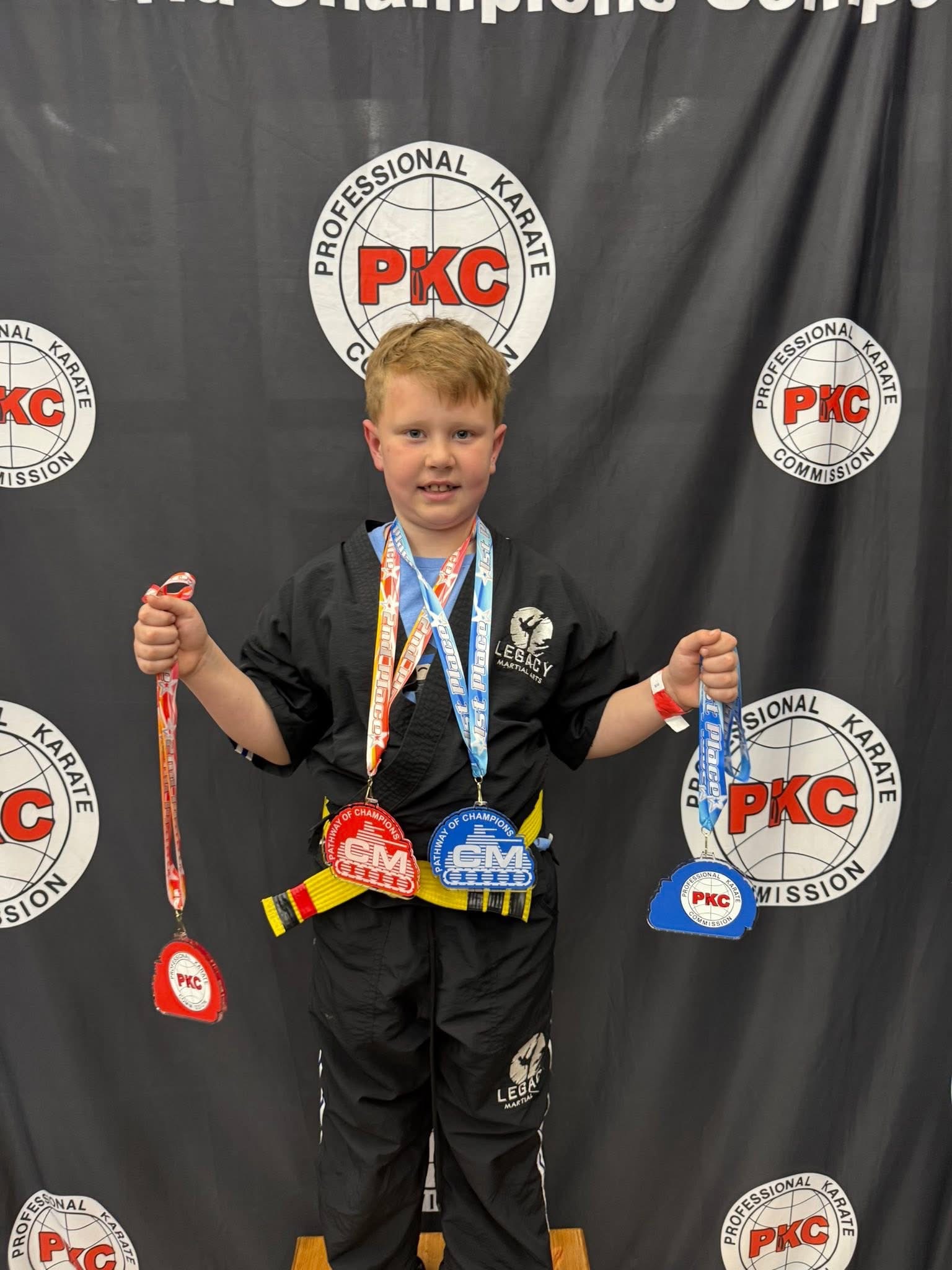
One of the most immediate benefits of karate is its ability to reduce screen time. Many children today spend hours on smartphones, tablets, and video games, often leading to sedentary lifestyles and reduced social interaction. Karate classes introduce a scheduled, engaging activity that naturally pulls children away from screens. Unlike passive entertainment, karate demands active participation, focus, and physical movement. Over time, children begin to look forward to training sessions, gradually replacing screen-based habits with a more dynamic and rewarding routine. This shift not only improves physical health but also encourages children to explore real-world interactions and experiences.
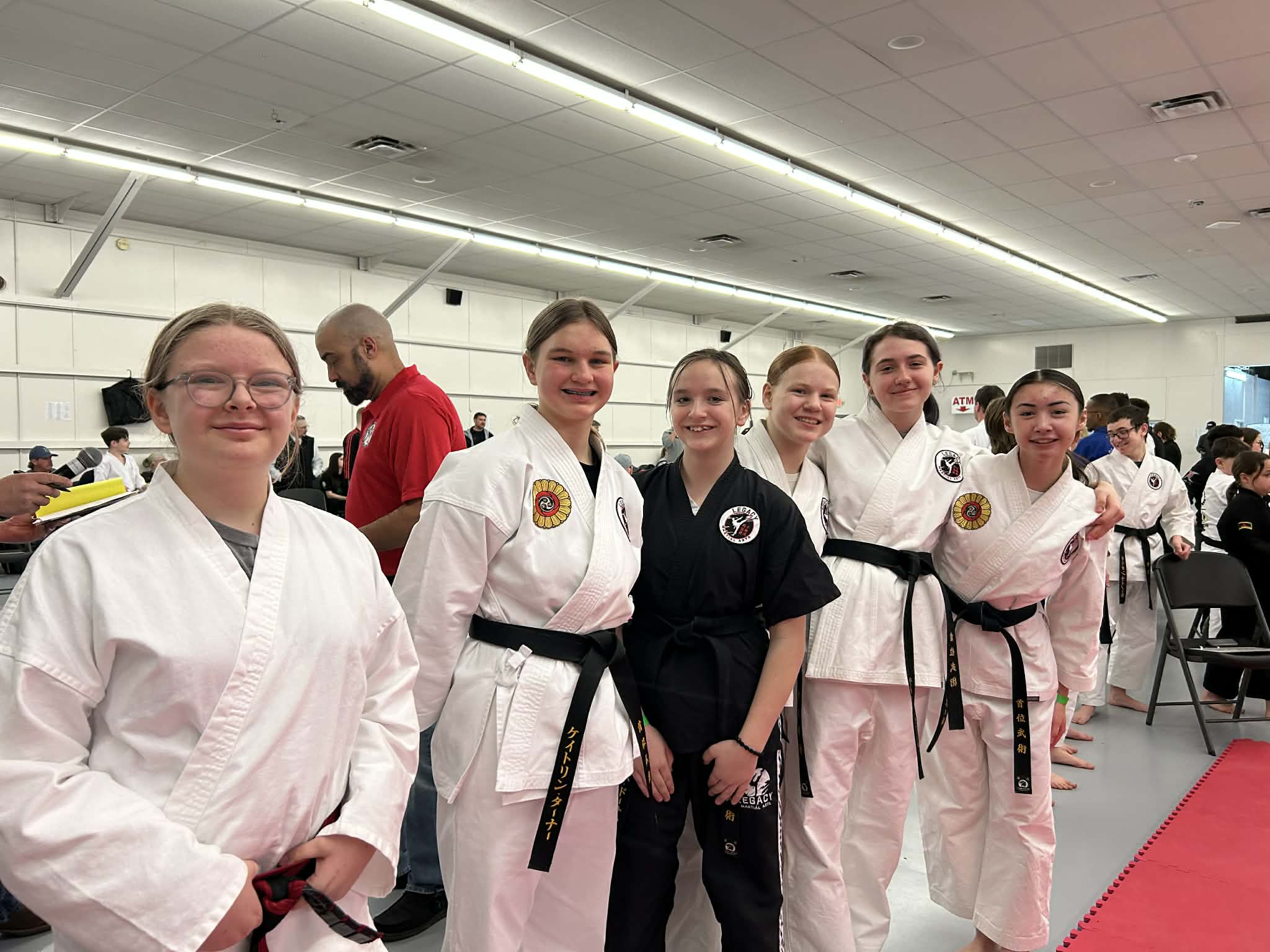
Beyond physical activity, karate plays a significant role in developing emotional control. The practice emphasizes discipline, respect, and self-regulation. In a typical class, students are taught to remain calm under pressure, listen attentively, and respond thoughtfully rather than react impulsively. Techniques such as controlled breathing, repetition of forms (kata), and structured sparring help children manage their emotions effectively. For example, when faced with frustration—whether from a challenging move or a sparring match—students learn to pause, refocus, and try again. This ability to regulate emotions carries over into everyday life, helping children handle conflicts, setbacks, and stress with greater maturity.
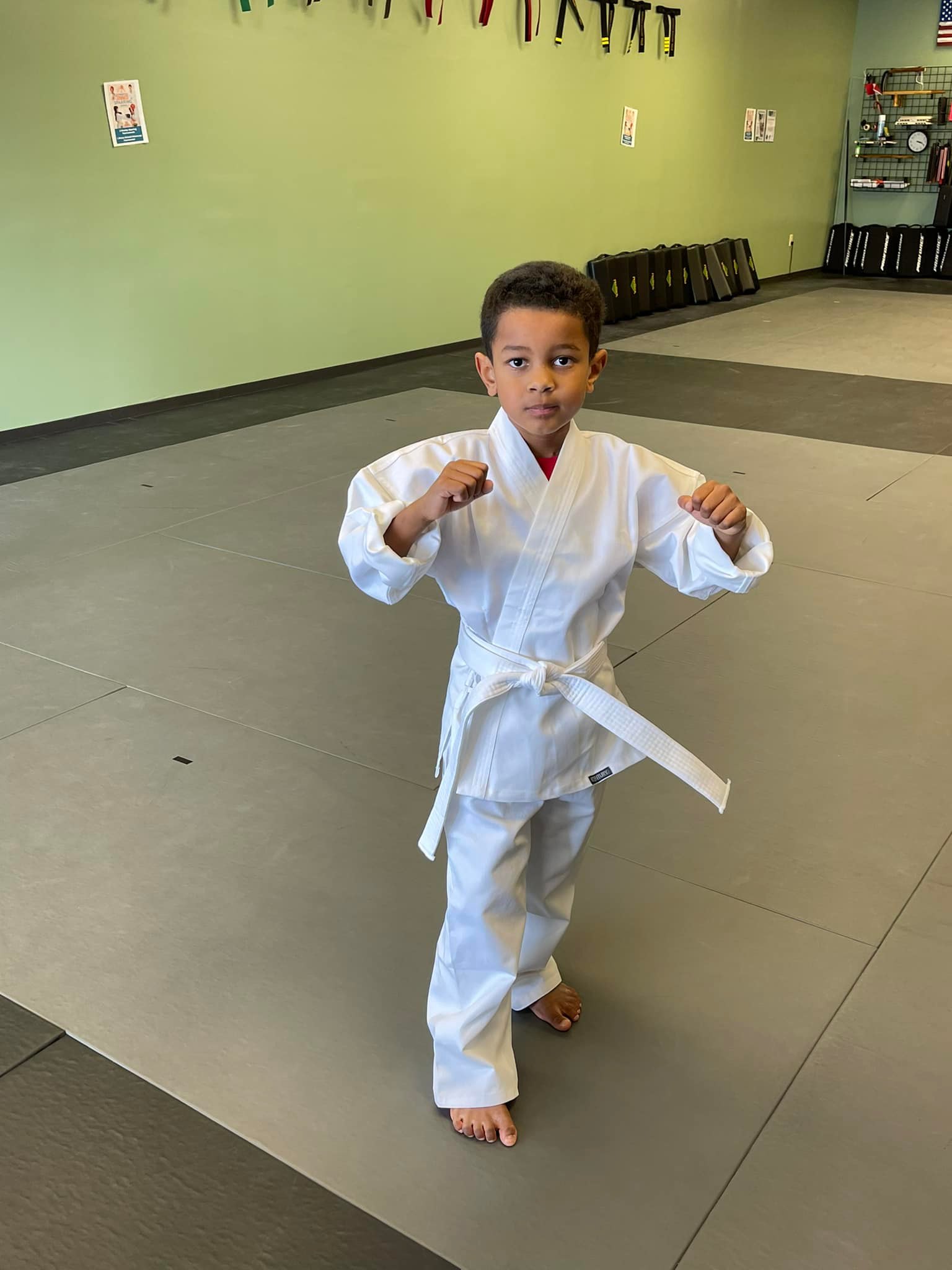
Karate also contributes to improved cognitive functions. Learning and memorizing sequences of movements requires concentration, attention to detail, and mental discipline. Children must follow instructions, anticipate actions, and make quick decisions during practice. These activities stimulate the brain, enhancing memory, problem-solving skills, and overall mental agility. Additionally, the structured nature of karate classes helps improve focus and attention span. Children who may struggle to concentrate in school often benefit from the consistent routines and clear expectations found in martial arts training. As a result, many parents and educators observe improvements in academic performance and classroom behavior.
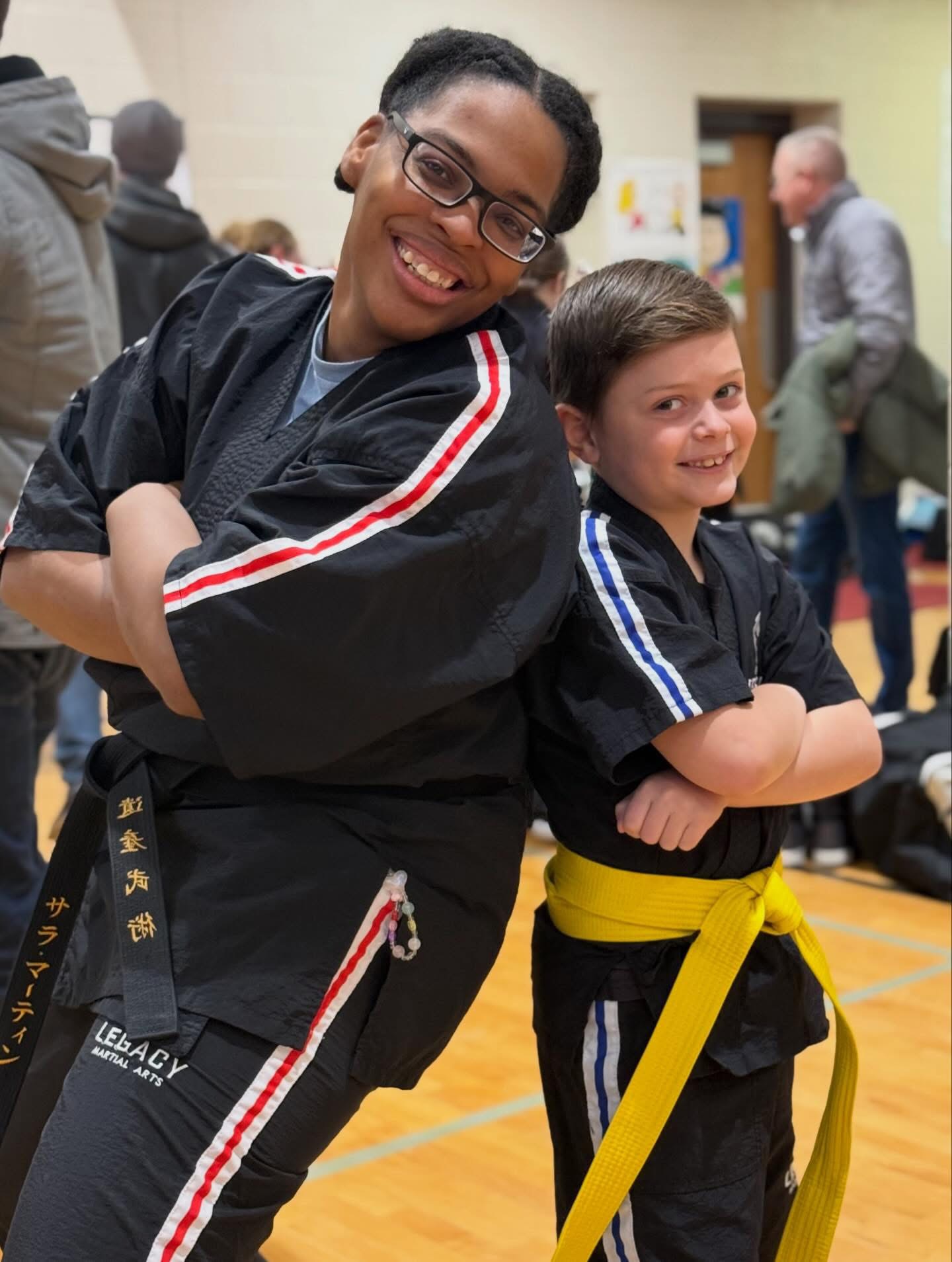
Stress reduction is another key advantage of karate for children. Modern kids face various sources of stress, including academic pressure, social challenges, and overstimulation from digital media. Karate provides a healthy outlet for releasing this tension. Physical exercise itself is known to reduce stress hormones, but karate goes a step further by incorporating mindfulness and controlled breathing techniques. These practices help calm the mind and promote a sense of inner balance. The supportive environment of a dojo also fosters a sense of belonging and achievement, which can boost self-esteem and reduce anxiety.
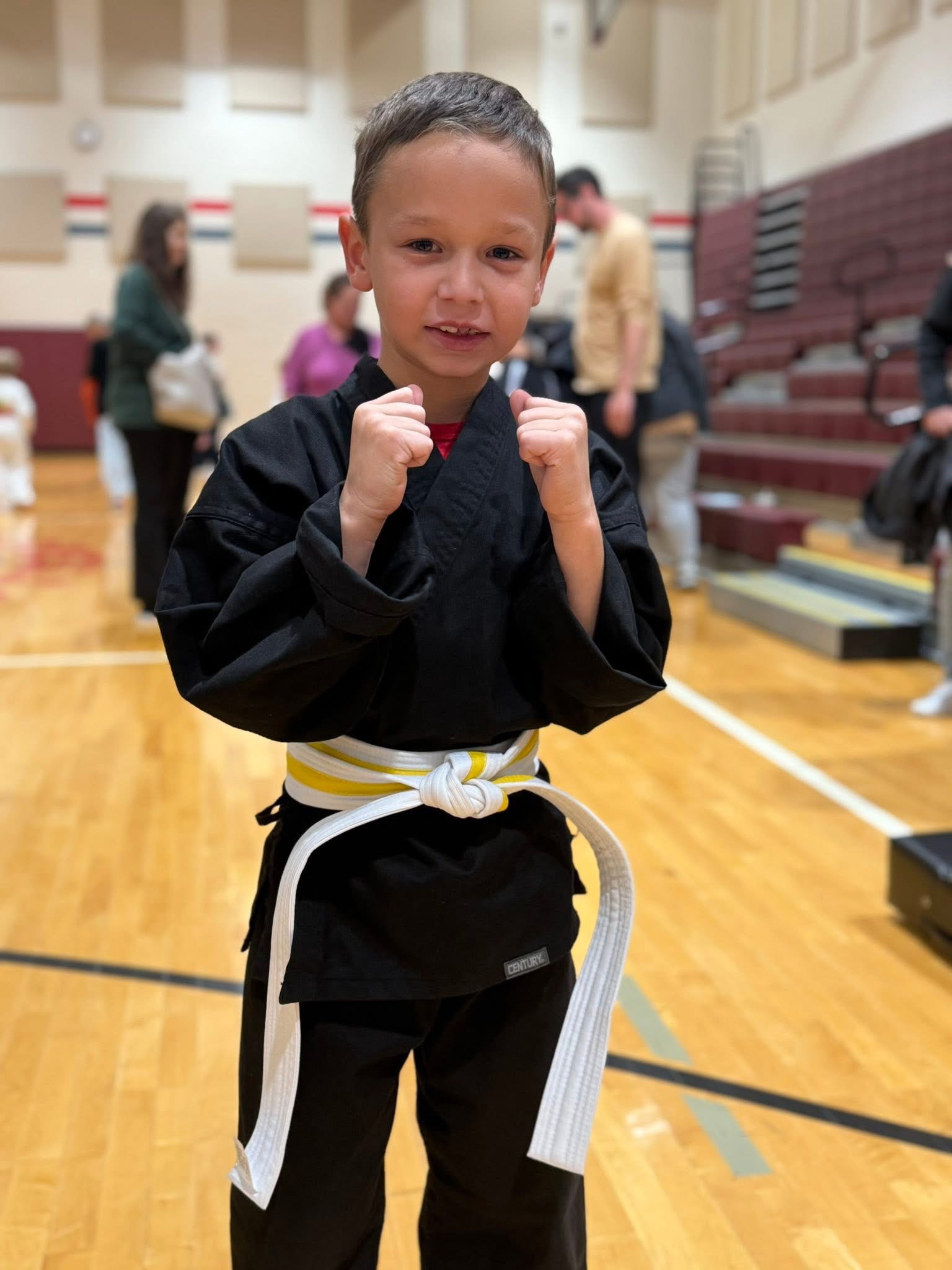
Moreover, karate encourages goal setting and perseverance, which are essential for building resilience. The belt system provides clear milestones that motivate children to work consistently toward improvement. Achieving a new belt level gives a sense of accomplishment, reinforcing the value of hard work and dedication. This process teaches children that progress comes with effort, helping them develop a growth mindset that is beneficial in all areas of life.

Social development is another important aspect often overlooked. Karate classes bring together children from diverse backgrounds, encouraging teamwork, mutual respect, and communication. Students practice with partners, learn to support one another, and celebrate each other’s successes. These interactions help build confidence and social skills, which are crucial for emotional well-being.
In conclusion, karate offers a comprehensive approach to child development that goes far beyond physical fitness. By reducing screen time, enhancing emotional control, improving cognitive abilities, and alleviating stress, it equips children with essential life skills. In a world dominated by digital distractions and increasing pressures, karate provides a structured, fun, and empowering environment where children can grow into focused, confident, and resilient individuals.